
Can You Enjoy Balinese Food on a Healthy Diet?
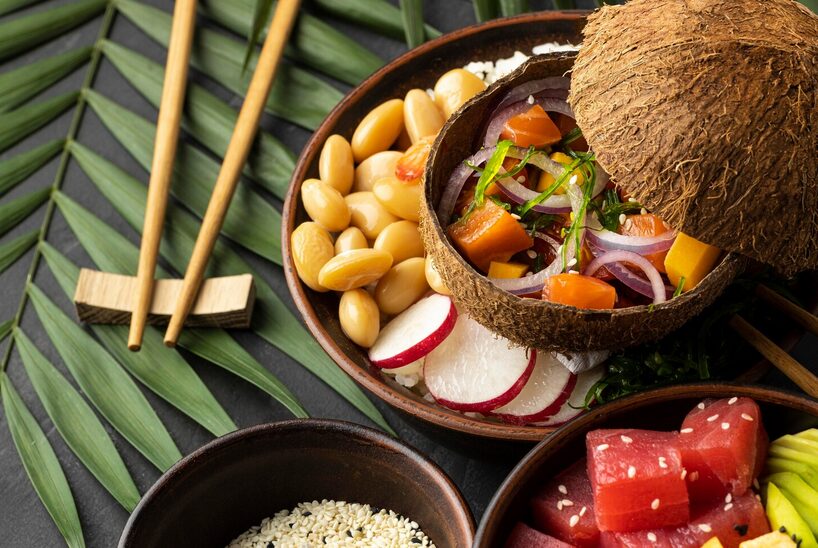
Balinese cuisine is known for its bold spices, fragrant herbs, and colorful plates. At first glance, it may seem indulgent, with rich sauces and fried elements. Yet many traditional dishes can align beautifully with a healthy lifestyle, especially when chosen with care. If you’ve been curious about balancing flavor and nutrition while exploring Indonesian Food, the good news is you don’t need to sacrifice taste for wellness.
The Power of Spices and Herbs

Balinese food thrives on spices like turmeric, ginger, garlic, and lemongrass. These aren’t just flavor enhancers—they bring anti-inflammatory and immune-supporting properties that make meals healthier by default. Adding such ingredients to your diet is like getting a bonus serving of natural medicine alongside your meal. Many dishes are made with spice pastes called bumbu, which layer flavors while supporting digestion. Instead of piling on heavy oils or sugar, these pastes create depth through natural ingredients. For anyone seeking wellness without losing variety, spices are the secret weapon.
Protein-Rich Dishes That Nourish
Grilled fish, chicken satay, and tempeh-based meals provide clean sources of protein in Balinese cuisine. Tempeh, in particular, is a fermented soybean product that delivers fiber and probiotics, making it gut-friendly. Choosing these over deep-fried items can keep energy levels steady throughout the day. Even skewers cooked over charcoal hold a nutritional edge compared to heavy curries or fried snacks. They’re lean, flavorful, and often served with fresh vegetables or sambal for balance. By making mindful swaps, you can enjoy a protein-packed meal that supports both fitness and flavor.
Balancing Rice With Vegetables
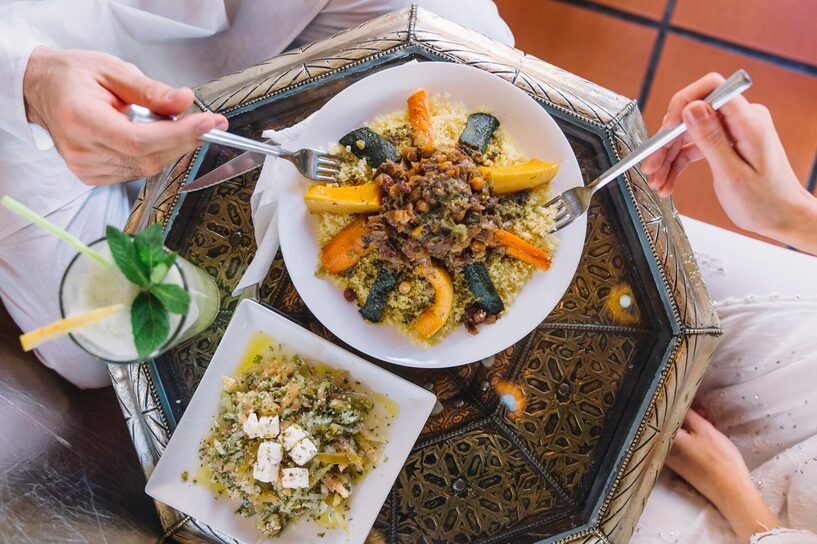
Rice is a staple in Bali, but portion control makes a difference. White rice is common, yet many locals also enjoy red or black rice, which are higher in fiber and nutrients. Pairing these with fresh vegetables keeps meals lighter and more balanced. Traditional dishes like lawar—a mix of chopped vegetables, coconut, and spices—add texture and nutrition. Combining vibrant produce with grains provides a complete meal without feeling overly heavy. This balance makes it easier to maintain a healthy diet without missing out on authentic flavors.
Mindful Eating in Bali
While food nourishes the body, traditions in Bali also honor mindfulness during meals. Mindful eating isn’t about restriction; it’s about awareness. Taking the time to chew, breathe, and notice flavors helps regulate digestion and reduces overeating. Pairing this approach with wholesome Balinese dishes creates a deeper connection between food and well-being.
Healthy Treats and Natural Sweets
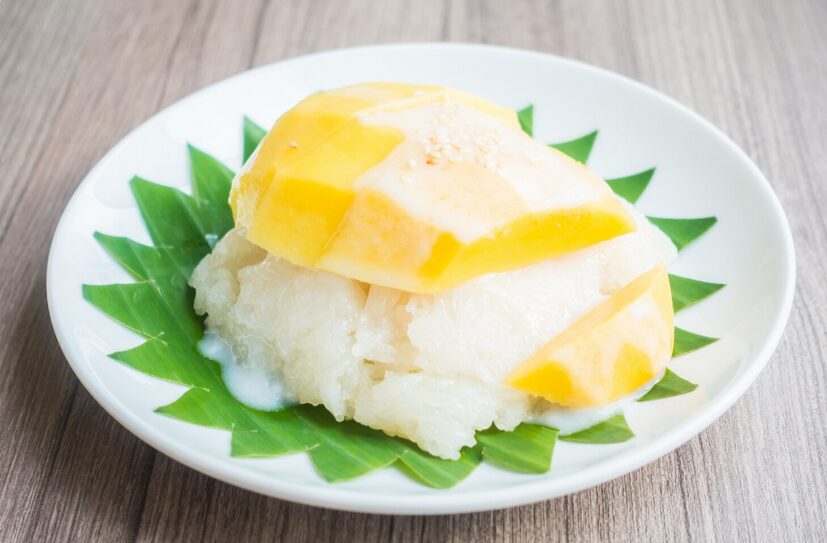
Desserts in Bali often feature coconut, banana, or palm sugar. Compared to processed Western sweets, these ingredients provide natural sweetness with added nutrients. They’re lighter on the system and can be enjoyed in moderation without guilt. Snacks like grilled bananas or sticky rice cakes deliver comfort without unnecessary additives. The key lies in portion control and appreciation of the natural flavors. Treats don’t have to be abandoned—they just need to be chosen wisely.
Balinese cuisine proves that eating healthy doesn’t mean skipping out on flavor. With the right choices—grilled proteins, fiber-rich rice, vibrant vegetables, and mindful portions—meals can be both nourishing and exciting. Next time you sit down to enjoy Bali’s vibrant plates, you’ll know health and taste can truly share the same table.