
How Economic Recessions Affect Personal and Business Finances

An economic recession occurs when economic activity declines significantly across a country or region, typically marked by reduced consumer spending, rising unemployment, and slower business growth. During this period, financial confidence tends to decrease as households and companies become more cautious with their money. Credit conditions often tighten, making it harder to borrow funds for personal use or business expansion. These combined effects create a ripple across the economy, influencing how individuals manage their finances and how businesses operate under constrained conditions. The overall environment is becoming more uncertain, affecting financial planning at every level.

Impact on Household Income and Employment Stability
One of the most immediate effects of a recession on personal finances is reduced income stability. Companies may reduce hiring, freeze wages, or implement layoffs to control costs, which directly affects household earnings. Even individuals who retain their jobs may experience reduced working hours or slower income growth. This instability forces many households to adjust their spending habits, prioritizing essential needs over discretionary purchases. Savings may also be used more frequently to cover daily expenses during periods of uncertainty. As a result, financial security becomes harder to maintain, especially for those without strong emergency funds or diversified income sources.
Changes in Consumer Spending Behavior
During recessions, consumer behavior tends to shift significantly as people become more cautious about spending. Non-essential purchases such as travel, luxury goods, and entertainment are often reduced or postponed. Instead, consumers focus more on necessities like food, housing, and healthcare. This shift in spending patterns directly impacts businesses that rely on discretionary income. Retailers, service providers, and hospitality industries often experience decreased demand, which can lead to reduced revenue. The overall decline in consumer confidence reinforces a cycle in which reduced spending further slows the economic recovery.
Business Revenue Decline and Operational Adjustments
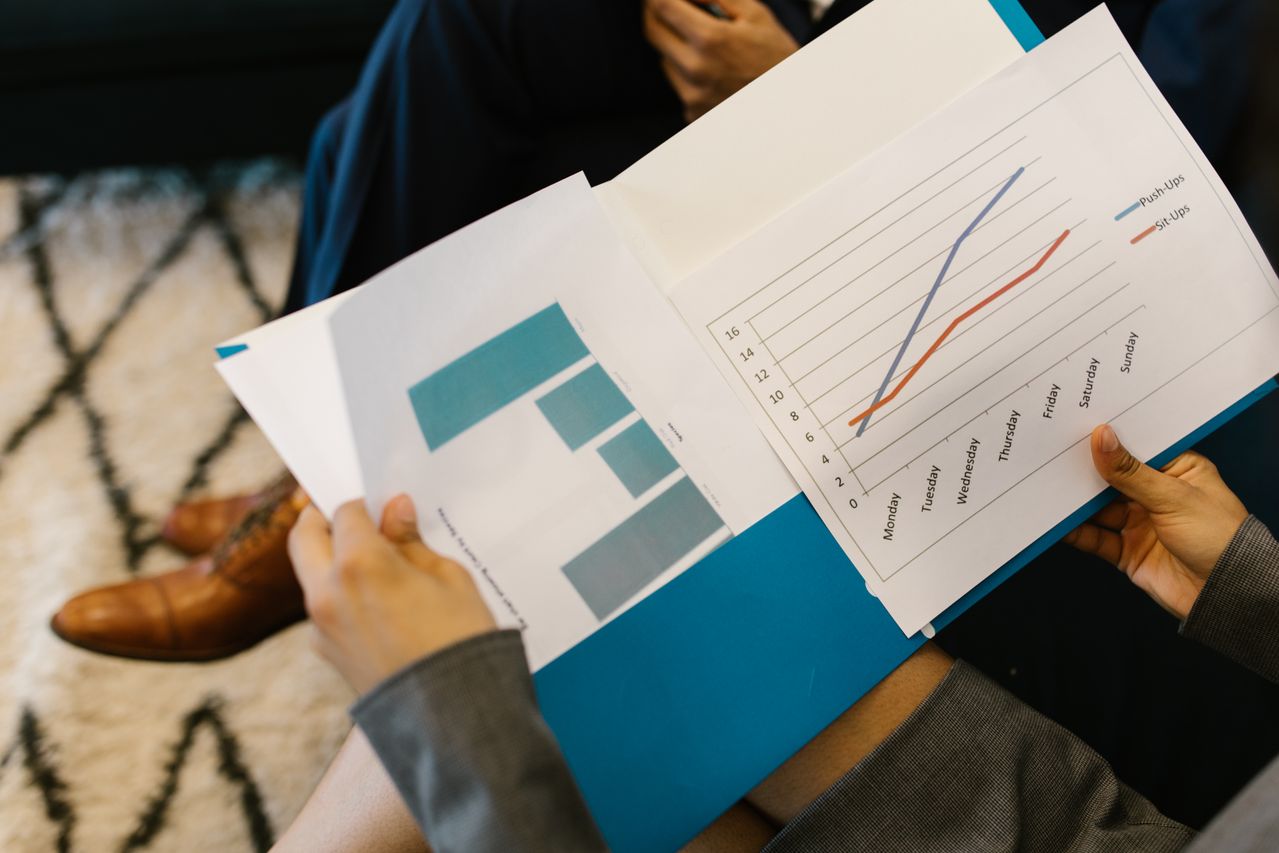
Businesses are heavily affected during recessions due to lower consumer demand and tighter financial conditions. Many companies experience reduced sales, which directly impacts cash flow and profitability. To manage these challenges, businesses often implement cost-cutting measures such as reducing staff, renegotiating supplier contracts, or delaying expansion plans. Some organizations may also streamline operations to improve efficiency and preserve resources. Access to credit can become more limited during recessions, making it harder for businesses to secure funding for operations or investment. These adjustments are often necessary for survival in a constrained economic environment.

Investment Markets and Financial Uncertainty
Economic recessions also influence investment markets, leading to increased volatility and uncertainty. Stock prices may decline as investor confidence weakens and companies report lower earnings. Individuals with investment portfolios may see reductions in asset value, which can affect long-term financial planning. Businesses that rely on external investment may also face difficulties raising capital during these periods. While some investors view recessions as opportunities to acquire assets at lower prices, overall market sentiment remains cautious. This uncertainty affects both short-term financial decisions and long-term economic strategies.
Economic recessions affect both personal and business finances by reducing income stability, limiting spending, and creating uncertainty across financial systems. While individuals may face job insecurity and tighter budgets, businesses often struggle with reduced revenue and operational constraints. Investment markets also become more volatile, adding to overall financial pressure. However, these challenging periods can also lead to improved financial discipline and long-term resilience. Understanding how recessions affect different sectors of the economy helps individuals and organizations make more informed decisions and navigate economic downturns more effectively.