
How the Pace of a Meal Influences the Overall Experience of Luxury Dining
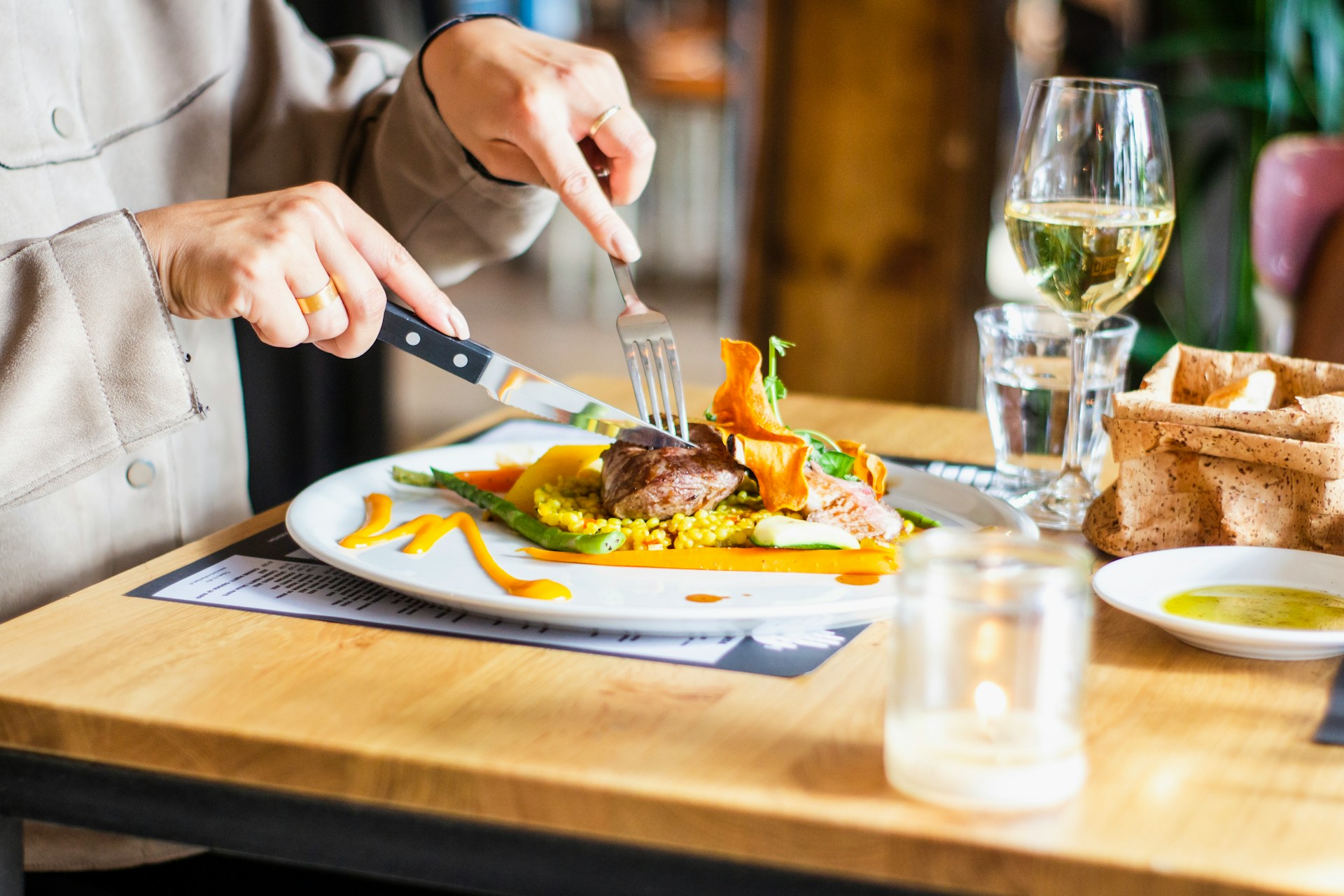
A luxury dining experience is shaped by more than ingredient quality or the presentation of individual dishes. The pace at which a meal unfolds can influence how guests perceive each course, interact with their surroundings, and enjoy the overall occasion. Fine Dining Ubud is known for its distinctive culinary experiences. It reflects an approach to hospitality in which atmosphere, service, and the rhythm of a meal shape the experience. Carefully timed courses allow diners to appreciate different flavours without feeling rushed, while pauses between dishes can create a more relaxed atmosphere. These details matter most in restaurants where dining is treated as an experience rather than simply a way to eat. Examining meal pacing helps explain its influence on the character of luxury dining.
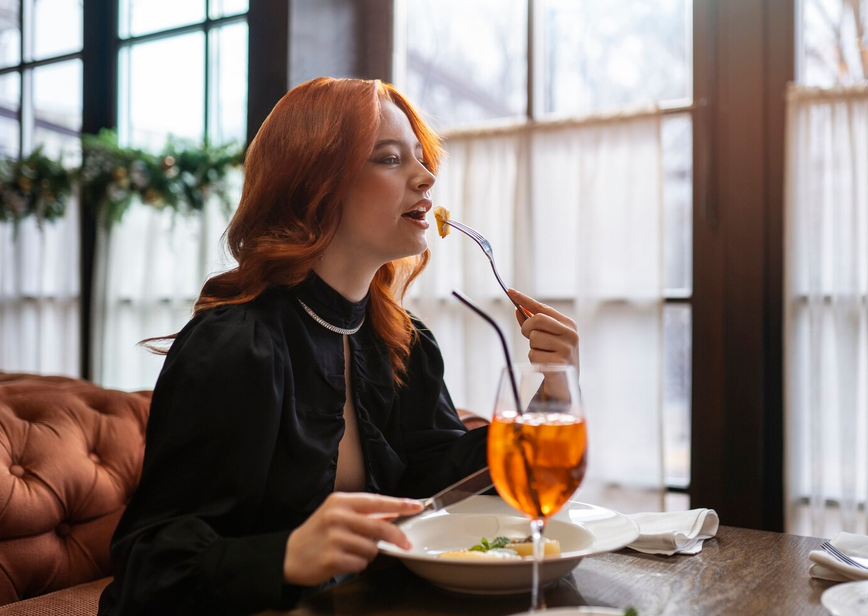
How Course Intervals Shape Food Appreciation
The intervals between courses affect how guests perceive different flavours, textures, and cooking techniques. Allowing enough time between dishes gives diners a chance to appreciate what they just ate before moving on to another combination of ingredients. This is particularly relevant in tasting menus, where each course may introduce a distinct culinary idea. Short intervals can make the experience feel rushed, while long delays may break the connection between dishes. Restaurants therefore consider the relationship between preparation time, serving temperature, and the menu’s intended progression. Thoughtful spacing helps maintain continuity while giving each course enough attention.
The Influence of Meal Pace on Conversation
Luxury restaurants often accommodate occasions where conversation matters as much as the food. Business dinners, celebrations, anniversaries, and social gatherings all involve interactions that require time and attention. A meal served too quickly can interrupt discussions or pressure guests to finish before they are ready. Conversely, a carefully managed pace creates opportunities for conversation to develop naturally between courses. Restaurant staff also help maintain this balance by observing the table and adjusting their service to the situation. This coordination allows diners to enjoy both the social and culinary aspects of the occasion without either becoming secondary.
Service Coordination Behind a Well-Paced Meal
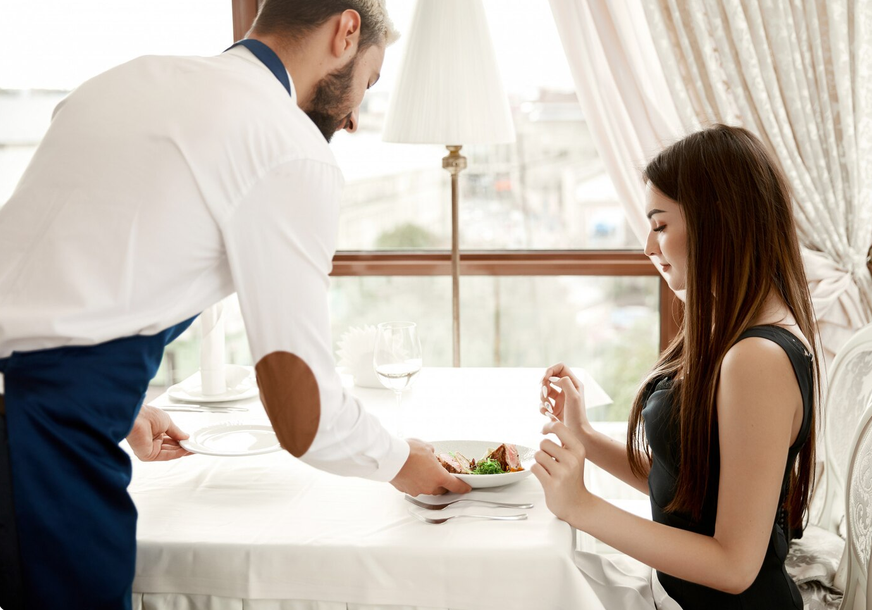
Maintaining an appropriate dining rhythm requires coordination between kitchen staff, servers, and other restaurant employees. Each course must be prepared and delivered at the right moment, taking into account the guests’ progress and the condition of the food. In kitchens handling complex menus, preparation often begins before diners have finished their previous course. This requires communication between stations so dishes are ready without unnecessary delays. Front-of-house staff also monitor whether guests need more time, whether to refresh drinks, or whether to introduce the next course. Effective coordination makes the service appear effortless, even though it depends on careful planning.
Why Different Dining Occasions Require Different Rhythms
The ideal pace of a luxury meal depends partly on the purpose of the visit and guests’ expectations. A lengthy tasting menu may involve numerous courses and extended intervals, making a slower rhythm appropriate. A business dinner, however, may require a more controlled schedule that lets guests enjoy the food while staying mindful of their commitments. Private celebrations may benefit from a flexible pace that accommodates speeches, photographs, and informal interaction. Restaurants must therefore balance their intended dining experience with the practical needs of individual tables. This flexibility helps prevent a fixed service schedule from undermining the occasion’s character.
The pace of a meal is an important part of luxury dining because it influences food appreciation, conversation, atmosphere, and service quality. When timing is carefully managed, each course contributes to a connected experience rather than feeling rushed or disconnected. This balance helps make the meal memorable beyond the dishes themselves.