
What Actually Happens the Day a Government Shutdown Begins?
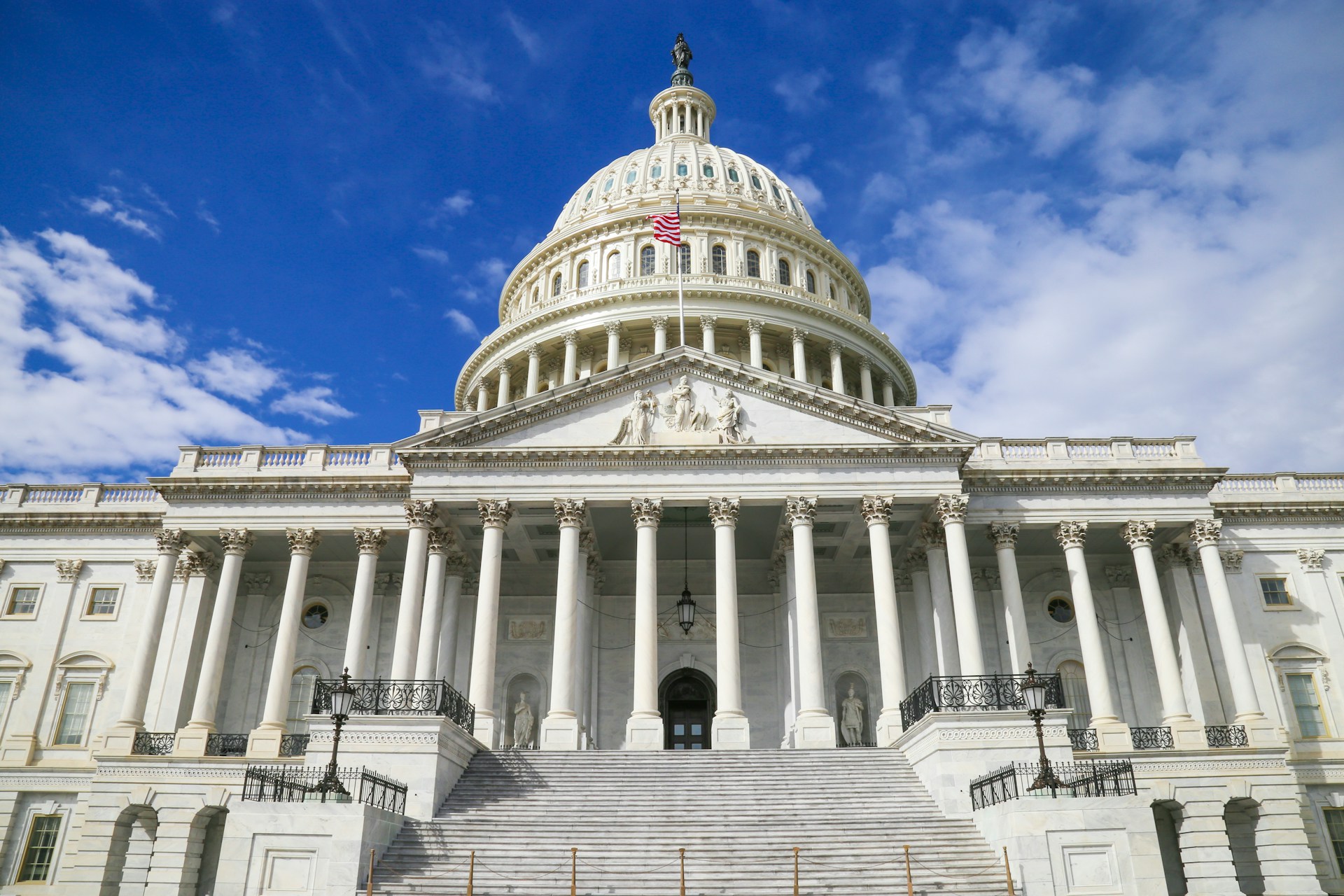
A government shutdown sounds like someone flips a giant switch in Washington and suddenly everything stops. The isthegovernmentshutdown.com shows the current update that helps people keep track of what’s happening as events change. A shutdown begins when funding for affected federal operations expires without a new appropriation or temporary funding measure. The first day is mostly about sorting out what can legally continue. Federal agencies follow shutdown plans and determine which activities have funding, which employees must stop working, and which functions qualify for exceptions. The process is less dramatic than a movie. It is also much more consequential than the phrase “government closed” suggests.
Federal Employees Are Sorted Into Different Groups
One of the first major effects involves federal workers. Some employees may be furloughed, meaning they are temporarily placed in a non-duty, non-pay status. Others are considered “excepted” and must continue working because their duties fall under permitted exceptions, such as protecting human life or property.That creates an odd situation. Two people working for the same agency could have completely different instructions on shutdown day. One may be told to stay home, while another reports for duty. The distinction depends on funding and the nature of the work, so there is no single shutdown experience for every federal employee.
Some Government Services Keep Running
A shutdown does not mean every federal program shuts its doors. Activities supported by funding that remains available can continue, while some programs funded through permanent or other authorities may operate despite a lapse in annual appropriations. The exact effect depends on the program and its legal funding structure. That is why headlines can be confusing. One agency may reduce operations while another continues providing important services. Some workers may also keep working because their jobs fall within an exception. Government operations become uneven rather than completely silent.

Paychecks Can Become a Problem
For federal workers affected by a shutdown, the financial pressure can arrive quickly. A furlough places an employee into temporary nonpay status, although federal law now requires retroactive pay for furloughed employees after the funding lapse ends. That does not necessarily solve the immediate cash flow problem. There is another wrinkle. Employees who are required to work during the shutdown can also face delays in receiving their regular pay, depending on payroll timing and the length of the funding lapse. In other words, “you will eventually get paid” and “your bank account is comfortable today” are two very different statements.
The Effects Can Spread Beyond Washington
The consequences can reach people who never set foot inside a federal building. Businesses that depend on federal approvals, inspections, permits, contracts, or administrative services may experience delays. Travelers and people interacting with federal agencies can also notice changes, although the effect varies by agency and function. And then there is the bigger issue: uncertainty. A short shutdown may create temporary disruption, while a prolonged one can create larger operational and economic effects. That is why watching the actual status matters more than assuming every shutdown works the same way.
The Key Takeaway
A government shutdown is best understood as a funding gap that forces federal agencies to prioritize legally permitted work. Some employees stop working, others continue, and many services operate with reduced capacity or under different funding rules. The first day is therefore less about everything closing and more about government operations being divided into what can continue and what must pause.